What your home project will really cost.
In-depth cost guides and 22 free calculators that break down what driveways, kitchens, heating, windows and more actually cost — the numbers contractors won't walk you through. No email, no sign-up.

The numbers behind the bid
Long-form analysis on the choices that drive cost: HVAC system selection, window ROI math, and total-cost-of-ownership comparisons that contractors won't walk you through.
-
 Editorial
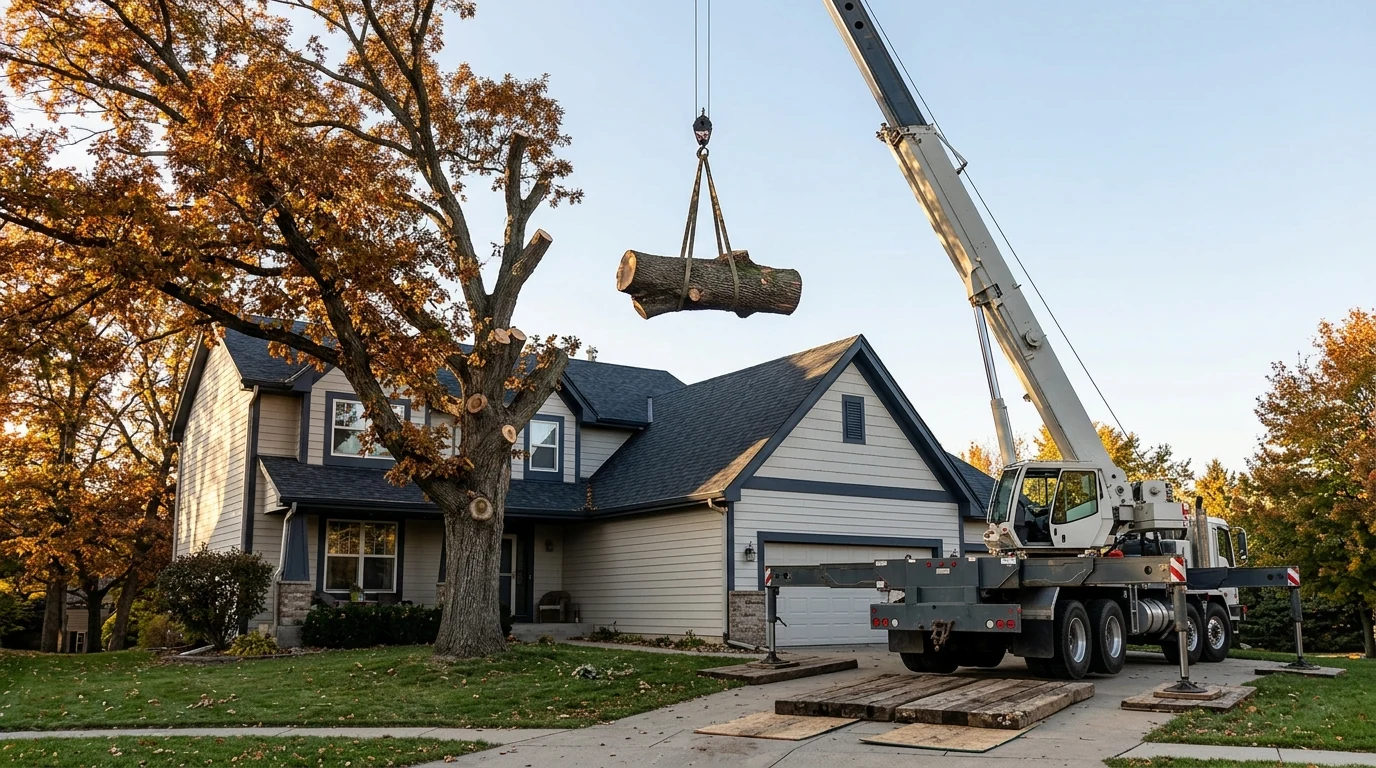
Crane Tree Removal Cost: Crane Bid vs. Climb-and-Rig Math
A crane adds $1,100+ to a big tree removal but can cut a day or more of crew time. Here is how to tell when the crane quote is really the cheaper one.
Read the guide -
 Editorial
Standing Seam vs Screw-Down Metal Roof Cost: Pricing the Re-Screw
Screw-down metal roofs cost about a third less than standing seam, but the screws need redoing around year 15. Here is what that does to the real cost.
Read the guide -
 Editorial
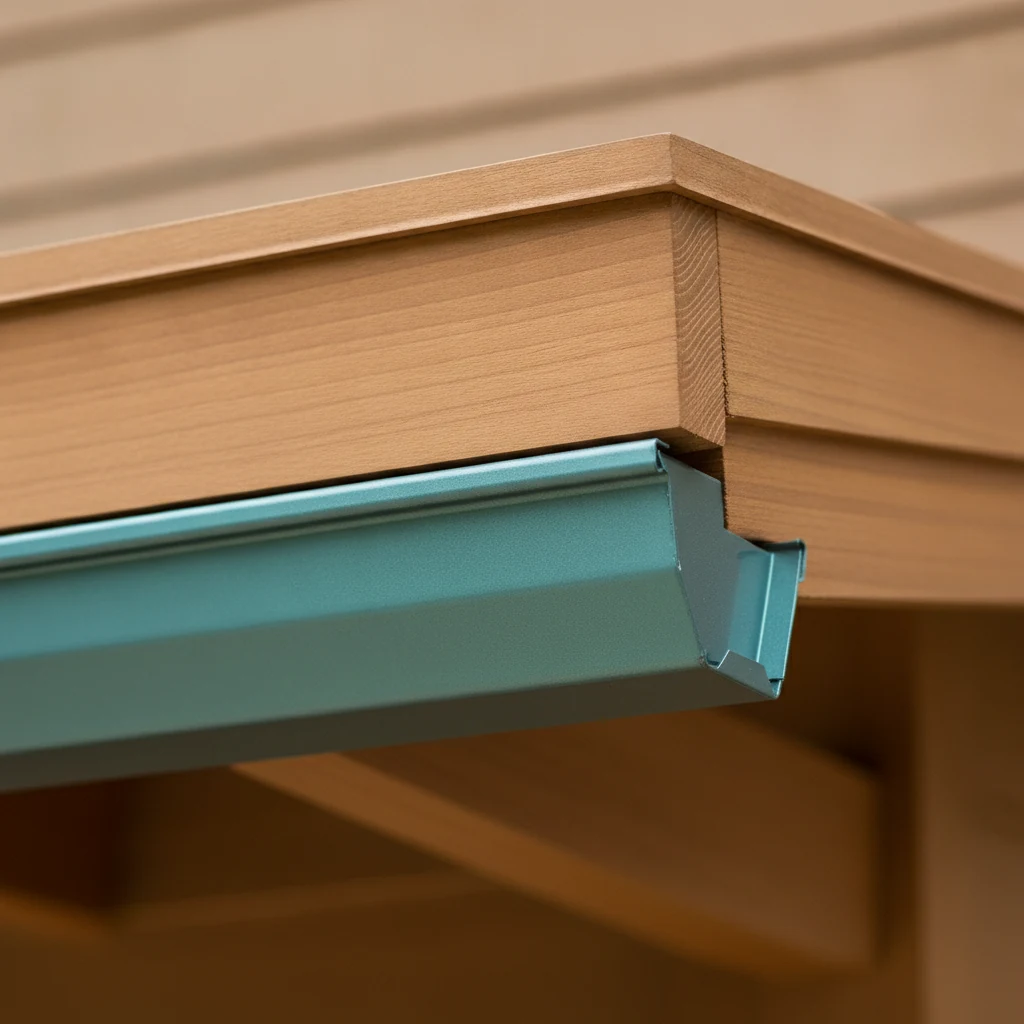
Gutter Replacement Cost 2026: The Fascia Factor Contractors Don't Warn You About
Most gutter quotes are really fascia quotes. Rotted fascia boards — hidden behind old gutters — add $7–22/ft and explain why two identical houses get wildly different bids. Here's what to ask before work starts.
Read the guide
Explore Calculator Categories
Select a category to get started with our precise cost estimation tools designed for homeowners and contractors. Every calculator adjusts pricing for your state.
Exterior
Landscaping
Interior
Home Systems
Why Use a Cost Calculator?
Budget Accuracy
Avoid surprises with labor and material estimates based on current market trends and 2026 unit pricing.
Contractor Leverage
Walk into a bid meeting with real baseline numbers. Spot overcharges, negotiate effectively.
Instant Results
No waiting, no forms, no calls from salespeople. Get a rough estimate in seconds and refine as your plans firm up.
State-Adjusted Pricing
Every calculator adjusts for regional labor rates. A kitchen in San Francisco isn't priced like Indianapolis — neither should your estimate be.
Regional Pricing Matters
A kitchen remodel in San Francisco can cost up to 45% more than the same project in Indianapolis. Labor rates, permit fees, and material logistics all move the number.
All calculators auto-adjust when you select your state.
How Much Does a Home Remodel Cost?
Home improvement costs vary widely depending on project scope, materials, labor rates in your region, and the condition of your existing home. According to the National Association of Home Builders, the average homeowner spends between $20,000 and $75,000 on major remodeling projects. Our calculators cover exterior projects (driveways, fences, decks), interior renovations (kitchens, bathrooms, basements), and home systems (heating, windows, water heaters, solar) — helping you break those costs into manageable estimates before you talk to a contractor.
Why Use a Cost Calculator Before Your Renovation?
Walking into a contractor meeting without a cost baseline puts you at a disadvantage. When you understand the typical price range for your project and region, you can identify fair bids, spot overcharges, and make informed decisions about materials and scope. Our calculators use real contractor pricing data adjusted for your state, so you get estimates that reflect your local market — not just national averages.
Understanding Regional Price Differences
A kitchen remodel in rural Iowa costs significantly less than the same project in the San Francisco Bay Area. Labor rates, material delivery costs, permitting fees, and local competition all drive these differences. Our calculators group states into cost tiers (Low, Average, High, and Very High) based on Bureau of Labor Statistics data and contractor surveys, then adjust every estimate accordingly.
Making Smart Material Choices
The cheapest option upfront is not always the most cost-effective long-term. A gravel driveway costs a fraction of concrete, but it needs replacement every 10 years. Vinyl windows are affordable but last 25 years, while fiberglass costs more but can last 40+. Our calculators show cost-per-year breakdowns so you can make fair apples-to-apples comparisons across materials with different lifespans.
Energy Efficiency and Payback Periods
Many home improvements — from window upgrades to heating system changes — can reduce your energy bills. Our heating calculator compares 10 different systems across all fuel types and factors in climate-zone-adjusted efficiency ratings. The window calculator estimates annual energy savings and shows how long it takes for those savings to pay back your investment. These numbers help you weigh upfront costs against long-term operating savings.
Ready to start your project?
Join thousands of homeowners who use RemodelCostCalc to plan their renovations with precision.