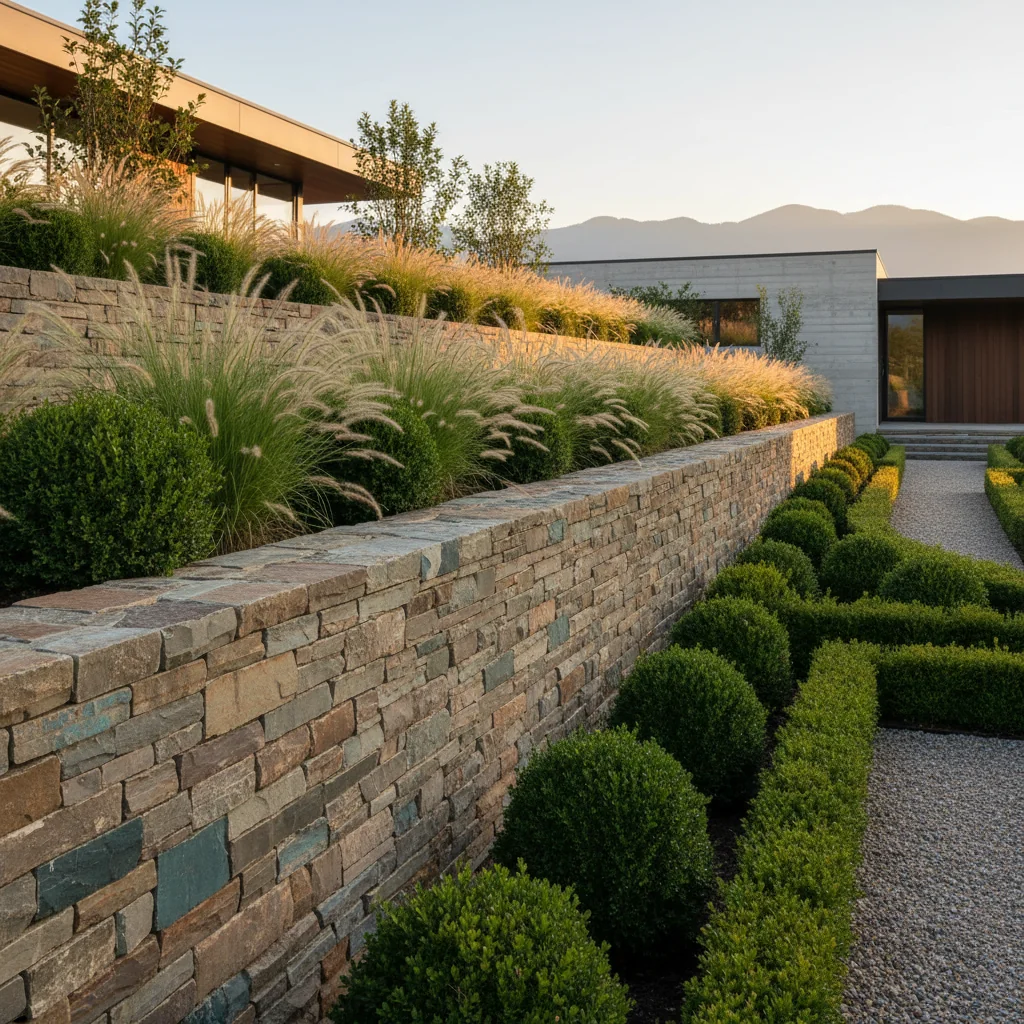
Retaining Wall Cost Calculator
Compare concrete block, natural stone, poured concrete, timber, and gabion retaining wall costs side by side for your state. Instant estimate, no sign-up.
1. Your Retaining Wall
2. Your Location
Material Cost Overrides ($ per sq ft of wall face)
Prices are national averages adjusted by state-level labor cost multipliers. Costs include materials, excavation, drainage, backfill, and installation labor. For exact quotes, get estimates from local contractors. Use Advanced Settings to enter your actual contractor quotes.
Retaining Wall Material Reference
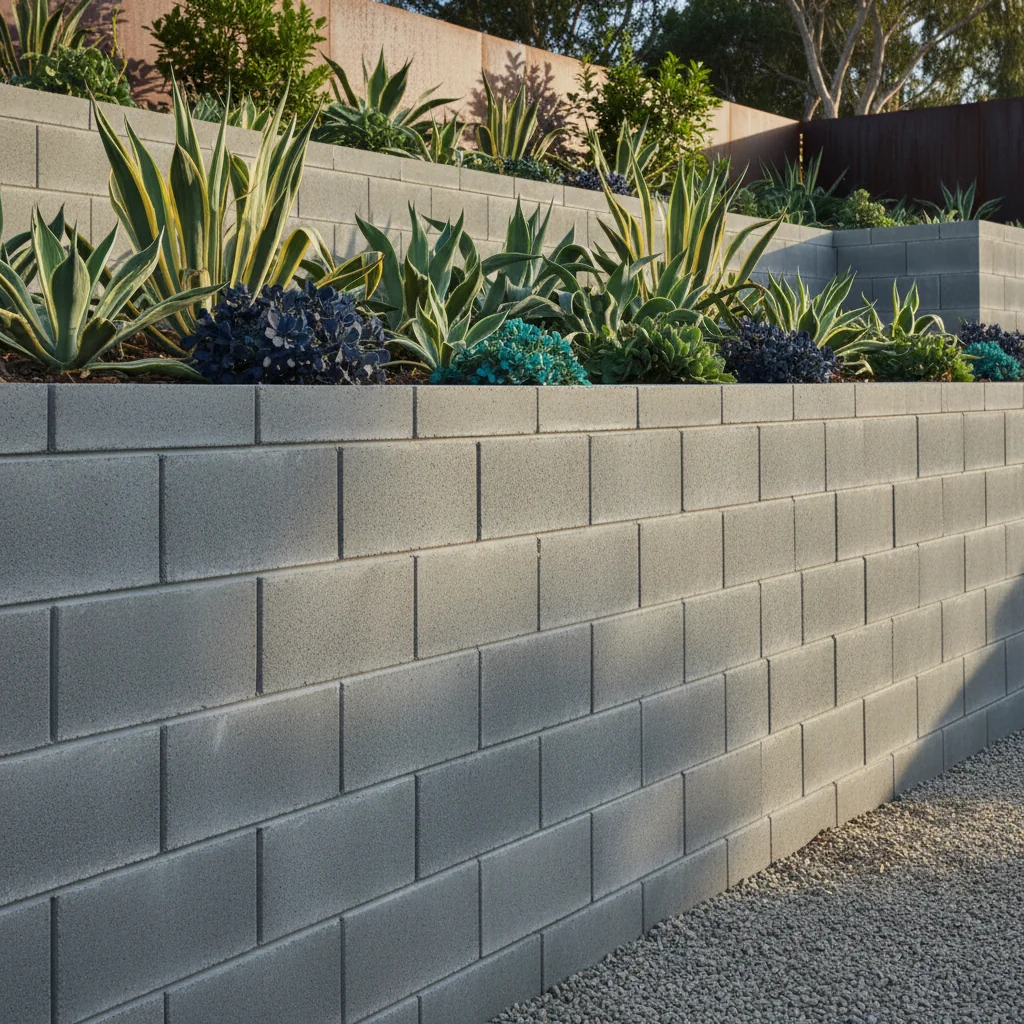
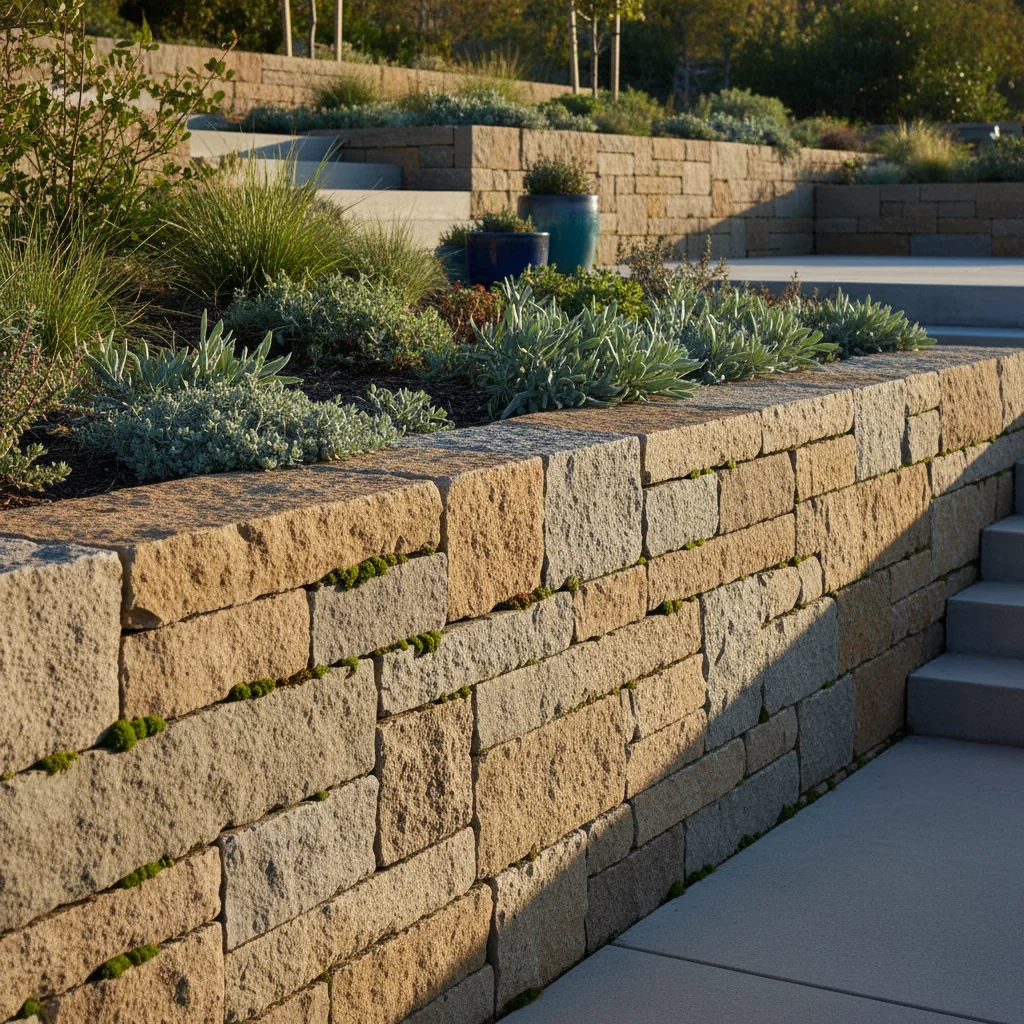
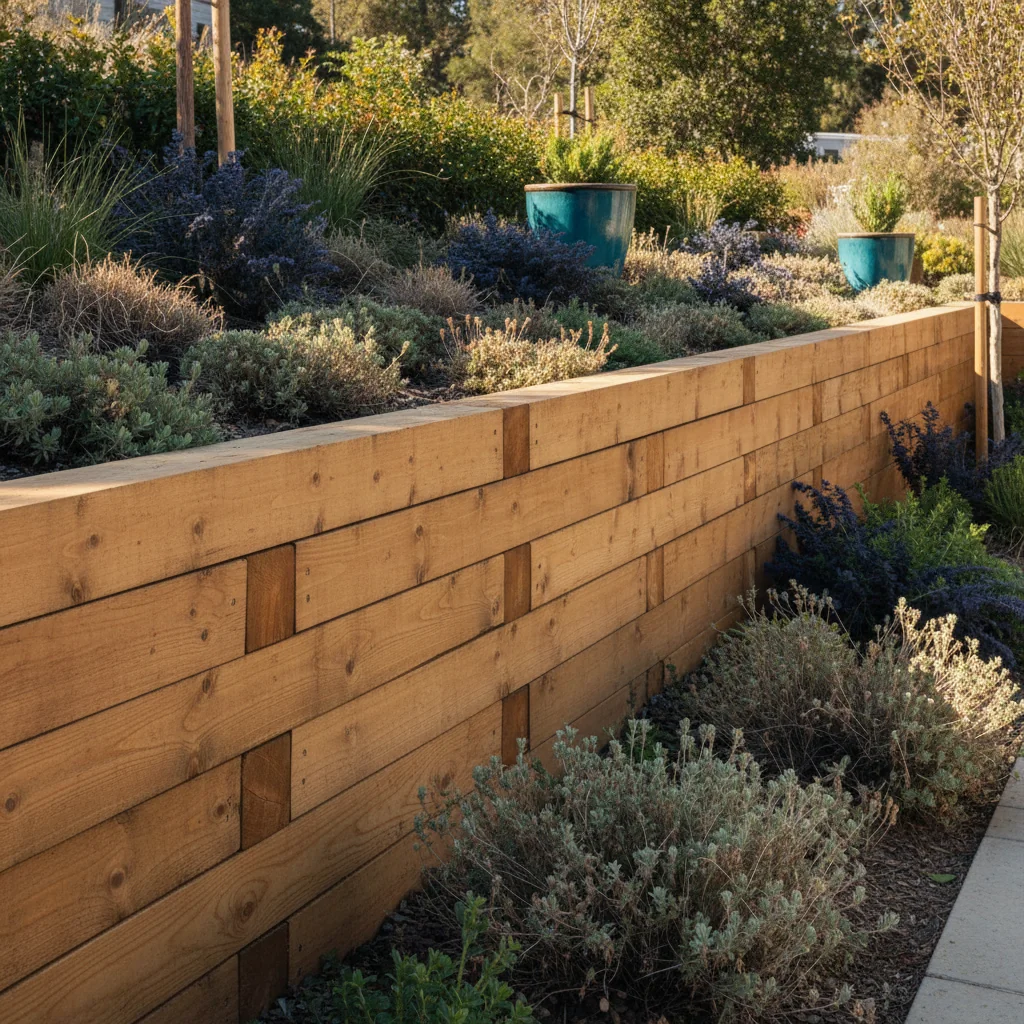
3. Your Retaining Wall Cost Comparison
| Material | $/SqFt | Material | Labor | Total | Lifespan | Cost/Year |
|---|---|---|---|---|---|---|
| Select a state above to see your cost comparison. | ||||||
Estimates based on national averages adjusted for your state. Actual costs depend on soil conditions, slope grade, drainage requirements, access, and contractor pricing. Walls over 4 feet may require engineering. This is a planning tool, not a binding quote. Get at least 3 quotes from local contractors.
How This Calculator Works
This calculator estimates the total installed cost of five common retaining wall materials based on your wall dimensions and state.
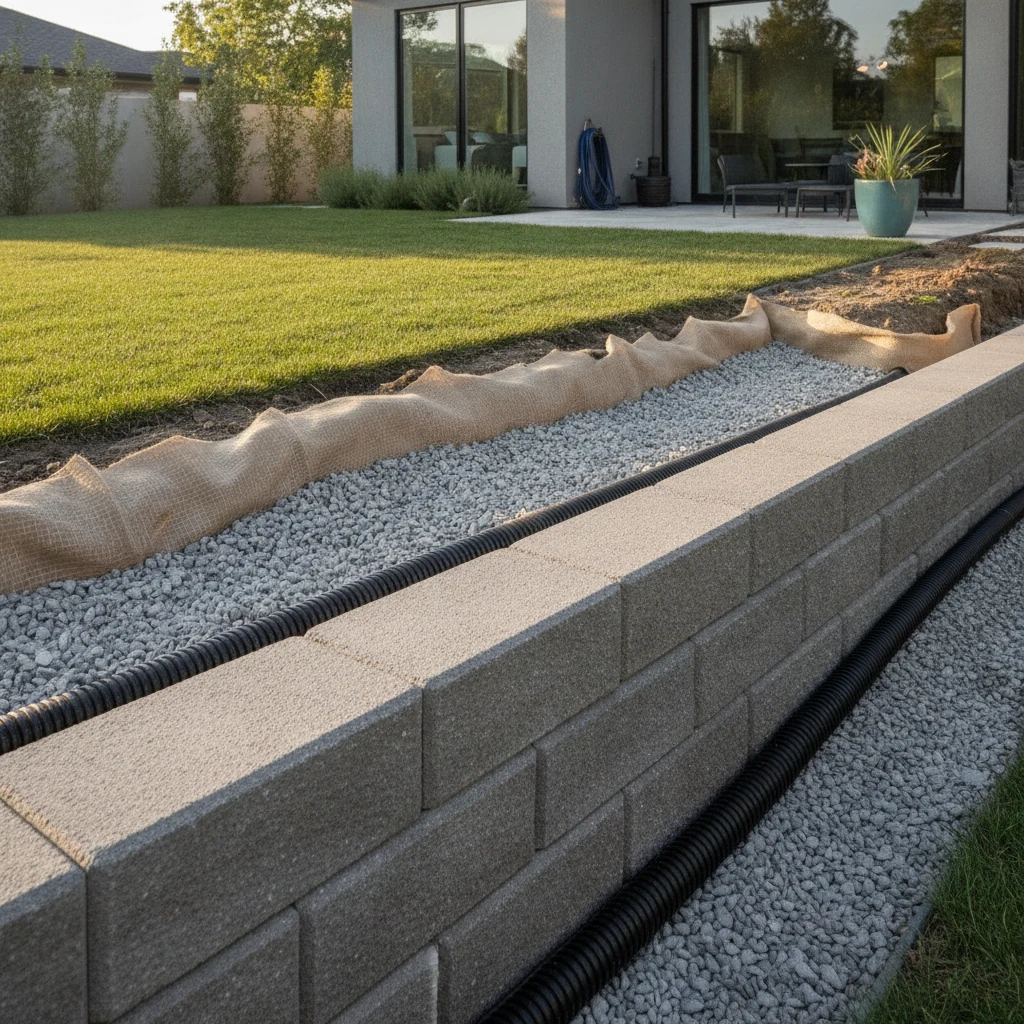
Wall face area is calculated as wall length × height. Costs are expressed per square foot of exposed wall face, which is standard for retaining wall pricing. This includes the wall material, excavation, gravel base, drainage pipe, backfill, and compaction.
Regional multipliers reflect that labor and material delivery costs vary across the country. States are grouped into four tiers: Low cost (rural South/Midwest, 0.85×), Average (most states, 1.0×), High (Northeast/West Coast, 1.15×), and Very High (NYC metro, SF Bay Area, Hawaii, Alaska, 1.30×).
Cost per year divides total installation cost by expected lifespan. This is the fairest way to compare materials — timber is inexpensive upfront but only lasts 15–20 years, while concrete block or natural stone can last 50–100 years. The "BEST VALUE" tag highlights the material with the lowest annual cost.
Cheapest Option
No email, phone number, or sign-up required. State-level pricing adjustments use Bureau of Labor Statistics regional cost data.
Got your estimate? Don't sign the first bid.
Use your number to catch padded and lowball contractor quotes. Our free checklist shows exactly what to verify on every bid before you hire.
Retaining Wall Guides
In-depth articles on materials, costs, and decisions.
Frequently Asked Questions
Answers to common retaining wall cost questions.
How much does a retaining wall cost?
What is the cheapest retaining wall material?
How tall can a retaining wall be without engineering?
How long does a retaining wall last?
Do I need drainage behind a retaining wall?
Can I build a retaining wall myself?
More Home Improvement Calculators
Planning more than a retaining wall? Browse every free estimator on RemodelCostCalc.
Exterior
Gravel, asphalt, and concrete driveway costs by linear and square foot.
Compare wood, vinyl, chain-link, and aluminum fence costs by linear foot.
Pressure-treated, cedar, and composite deck costs with railing and stairs.
1-coat, 2-coat, and metallic epoxy floor costs with DIY vs pro pricing.
Landscaping
Concrete slab, driveway, and patio pour costs by cubic yard and finish.
Concrete, paver, flagstone, and brick patio installation costs by sq ft.
Bermuda, Bluegrass, Fescue, Zoysia, and St. Augustine sod costs by sq ft.
Mulch, gravel, and river rock volume and cost by area and depth.
Tree removal costs by size with stump grinding and debris hauling.
Interior
Minor, mid-range, and major kitchen remodel costs with cabinet and counter pricing.
Half, full, and primary bathroom remodel costs by tier and fixtures.
Framing, drywall, egress, and permit costs to finish a basement.
Home Systems
Natural gas, propane, oil, electric, and heat pump operating costs by state.
Vinyl, wood, fiberglass, and composite window replacement costs per window.
Tank, tankless, and hybrid heat pump water heater costs and payback.
System cost, payback period, savings, and federal tax credit by state.