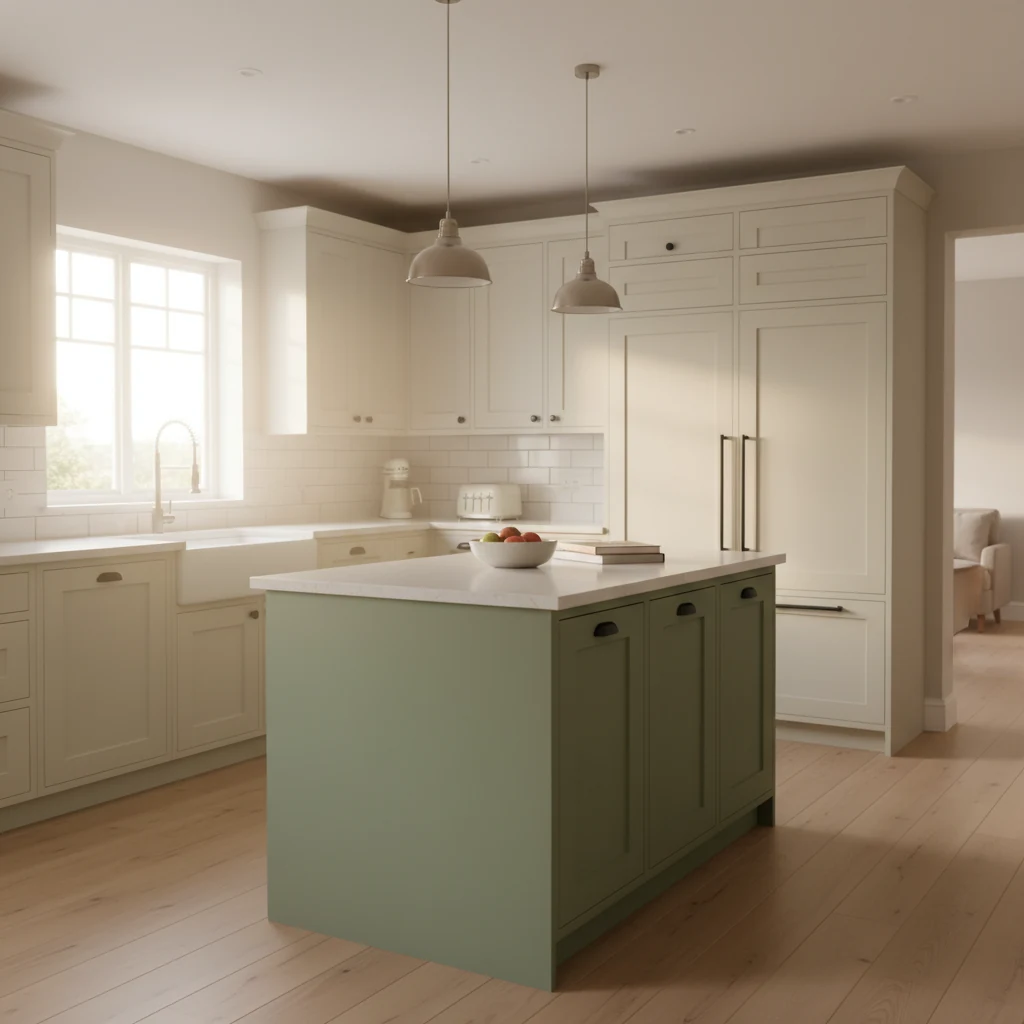
Three kitchen remodels. Three different cities. Different budgets — $42K, $32K, and $80K. They came in at $58K, $48K, and $108K. The average overrun was 41%. And the same five mistakes drove almost all of it.
What follows is a forensic breakdown of where each budget actually broke. Not the glamorous "before/after" version — the version where you find out the cabinet trim doesn't match, the asbestos test came back positive, and the herringbone tile is going to take three more weekends. The cost numbers are real. The mistakes are common. The lessons are actionable before you sign the first contract.
Story 1: The Cabinet Surprise — Columbus, OH ($42K → $58K, +38%)
The Henrys (composite) wanted a full gut renovation of a 1990s tract-home kitchen: 14 linear feet of base cabinet plus 12 of upper, an L-shape opened to a small breakfast nook, quartz counters, mid-range stainless appliances, and shaker cabinets in a soft white. The contractor bid $42,000 — "all-in, three-week schedule." It came in at $58,000 over six weeks.
Where it broke:
- Cabinet upgrade trap (+$6,800). The "shaker semi-custom" line on the contract turned out to be a stock product line that didn't make a 36" sink-base in the depth they needed. Switching to true semi-custom on the run that mattered (the sink and stove walls) plus matching the rest pushed the cabinet line from $11,400 to $18,200. The contractor had quoted off the catalog price; nobody had measured the actual sink-cabinet requirements first.
- Subfloor rot under the old refrigerator (+$2,300). A slow ice-maker leak had been pooling under the fridge for years. Two sheets of plywood, a full sub-section of the underlayment, and a half-day of carpentry. This is the #1 surprise contractors quietly expect to find on any kitchen older than 20 years.
- Plumbing relocation for the new island (+$3,400). The original plan had no island plumbing. The breakfast-nook idea evolved into a small island with a prep sink during demo. Adding a drain run from the slab through the existing flooring meant cutting concrete, two trips by the plumber, and a re-permit.
- Lighting circuits not in the bid (+$1,800). The contractor's bid covered "fixture install — owner supplies fixtures." It did not cover the three new circuits needed for under-cabinet, island pendants, and the recessed cans the new layout required. The electrician was a separate trade, not in the bid.
- Quartz upgrade for matching island (+$1,700). Once the island appeared, the slab they'd specced came in slightly short — a second slab plus the labor to seam it.
What they'd do differently: measure cabinet runs against the appliance and sink specs before signing. Get three cabinet quotes side by side. Ask the contractor to quote demo + discovery as a separate phase before locking in the rest. Budget the electrical and plumbing as their own line items, not bundled.
Story 2: The Permit Spiral — Brooklyn, NY ($32K → $48K, +50%)
The Marquezes (composite) bought a pre-war co-op with a kitchen that hadn't been touched since the 1980s. They wanted a refresh — new cabinets, quartz counters, modern appliances, a subway-tile backsplash, and a single layout tweak: move the sink three feet to face the window. Initial bid: $32,000. Final: $48,000.
The vision wasn't the problem. The building was.
- Co-op alteration agreement layer (+$3,500). The board required a sealed architect's drawing, an alteration agreement, a construction insurance rider, and a deposit toward potential common-element damage. None of this had appeared in the contractor's bid because none of it is the contractor's job. It was a category of cost they didn't know existed.
- Asbestos abatement (+$4,200). The pre-1980 vinyl floor tiles tested positive for asbestos. NYC requires licensed abatement before demo. Two days of work plus disposal plus the test fee.
- "Like-for-like" plumbing rule. The co-op's bylaws prohibited relocating a wet wall — the move-the-sink-to-the-window plan got vetoed during board review. They redesigned around the original sink location, which kicked the cabinet order back two weeks (cabinets had been ordered to the new layout) and incurred a $900 restocking fee on the rejected pieces.
- Eight-week permit and inspection delay (+$3,800 in living costs). NYC's Department of Buildings is not fast. With no functional kitchen for eight weeks longer than planned, they spent roughly $475/week eating out and using the local diner as a kitchen.
- Sub-floor leveling (+$1,200). The 100-year-old subfloor sloped 1.25" across the room — invisible until the new cabinet bases were dry-fitted. Self-leveling compound and a half-day of labor.
What they'd do differently: price out the building/permit/abatement layer before the renovation budget. In any pre-1980 NYC building, assume positive asbestos until tested. In any co-op, get the alteration agreement requirements in writing before pricing the renovation, not after.
Story 3: The Six-Month Slide — Atlanta Suburb ($80K → $108K, +35%)
The Reeds (composite) had the "open it up and do it right" plan: take down the wall to the dining room, install a 10-foot island, premium 48" range, custom inset cabinets, and a herringbone porcelain backsplash. The bid was $80,000 with a 12-week schedule. They closed the project at $108,000 across 26 weeks.
- Load-bearing wall removal (+$8,400). The wall they wanted to take down turned out to be load-bearing. A structural engineer designed an LVL beam header; the install required temporary jacking, the beam itself, and a city inspection. None of this was in the bid because the bid was based on the assumption that the wall was a non-bearing partition.
- Custom inset cabinets ran 14 weeks past schedule. Inset cabinetry — where the door sits flush with the face frame — has roughly 4× the shop time of overlay cabinets. Their cabinetmaker was 4 weeks behind when they ordered, and the schedule slipped from there. Three months of additional contractor markup, one more month of HOA rental fees because they'd budgeted to be back home by November and weren't.
- 48" range required a panel upgrade (+$2,600). The dual-fuel 48" they'd selected drew 50A; their existing panel had no spare capacity at that amperage. A subpanel install plus the new circuit was its own permit and inspection.
- Herringbone tile labor (+$3,800). Herringbone install runs roughly 2.5× the labor of straight-set on a backsplash because every tile is angled and cut. A pattern that looks like a $200 design choice in the showroom is a $4,000 labor decision in the install.
- Counter-stool overhang correction (+$1,400). The 10-foot island, as designed, had only a 9" overhang for stools. ANSI specs and basic ergonomics call for 12–15". Cutting back the cabinet and re-finishing the seam took a half-day plus a counter-shop trip.
What they'd do differently: have an architect or structural-trained contractor walk the wall before signing. Plan finishes around installation labor, not just material cost. If you're doing inset cabinets, build a 25% schedule contingency on top of the cabinet-shop's quoted lead time. Pull the panel before designing around the appliances — the appliance package may be capped by the panel before it's capped by the budget.
The 5 Most Common Kitchen-Remodel Regrets, Ranked by Cost Impact
Three different budgets, three different cities, one consistent set of cost-driving mistakes. In rough order of how much they typically add to a project:
| Regret | Typical cost impact | How to avoid it |
|---|---|---|
| 1. 10% contingency, not 20–25% | $5K–$25K shortfall | Budget 25% over the bid; treat the bid as the optimistic case, not the expected case. |
| 2. "Behind the wall" surprises | $2K–$10K each | Assume rot, asbestos, undersized panel, sloped subfloor in any kitchen older than 25 years. Demo first if you can. |
| 3. Cabinet category drift | $3K–$12K | Get measured quotes, not catalog quotes. Confirm sink-base, range-base, and corner solutions before selecting a line. |
| 4. Pattern / finish labor multipliers | $2K–$8K | Ask for the install labor by pattern. Herringbone, mitered counters, inset cabinets, stacked-stone, and complex tile cuts all 2–4× labor. |
| 5. Permit / approval / abatement layer | $1K–$12K | Price this before the renovation budget. Especially in pre-1980 buildings, co-ops, condos, and dense urban jurisdictions. |
Sources: 2024 Remodeling Cost vs. Value Report; NKBA design trend surveys; r/HomeImprovement and r/Renovations cost-overrun threads (n > 200); BLS construction-wage data for regional labor variation.
What "Realistic" Actually Looks Like
The 2024 Remodeling Cost vs. Value Report puts a national-average mid-range major kitchen remodel at roughly $77,939 with a 49.5% cost recovery at resale; an upscale major kitchen lands near $154,483. Those are post-overrun, real-project numbers — meaning if your contractor's bid for a "mid-range major" kitchen is $55,000, you're either not doing what the report calls mid-range, or you're going to find out where the missing $22K is during the project.
The mid-range bid that comes in at $45K isn't realistic for a gut renovation. It's realistic for a kitchen refresh — same layout, new cabinet doors and counters, painted walls, new appliances, no plumbing or electrical changes. The two are different products and they cost different amounts.
If you want a sanity check on the bid you have in hand, run your project specs through our free kitchen remodel cost calculator — it uses regional labor and material indices to estimate what a comparable project should run in your zip code, broken out by line item. If your contractor's bid is more than 15% below the calculator's estimate, the gap is almost always a category of work that isn't in the bid yet.
The Short Version
Kitchen remodels go over budget for predictable reasons. The 41% average overrun across these three composites isn't bad luck — it's what happens when contingency is set to 10%, demo discovery isn't priced separately, cabinet category drift gets discovered after the order goes in, and the building's permit layer wasn't on the spreadsheet.
Three things to do before you sign:
- Set the contingency to 25% and treat anything left over as a bonus, not an overrun.
- Demo before you finalize. If you can, pay for a separate demo phase with discovery built in — it's cheaper than mid-project surprises priced as change orders.
- Price the permit / abatement / approval layer separately from the renovation. In any pre-1980 building, assume positive asbestos. In any co-op or condo, get the building's requirements in writing before quoting.
None of these prevent every surprise — but they stop 80% of the cost overrun pattern. Kitchen remodels rarely fail because the homeowner picked the wrong cabinet finish. They fail because the budget didn't include what was always going to be in the project.