HVAC Replacement Cost Calculator
Compare central AC, heat pump, ductless mini-split, and gas furnace replacement costs by home size and state. Instant estimate, no sign-up.
1. Your Home
2. Your Location
System Cost Overrides ($ total installed, 3-ton baseline)
Prices are national averages adjusted by state-level labor cost multipliers and system size. For exact quotes, get estimates from licensed HVAC contractors. Use Advanced Settings to enter your actual contractor quotes.
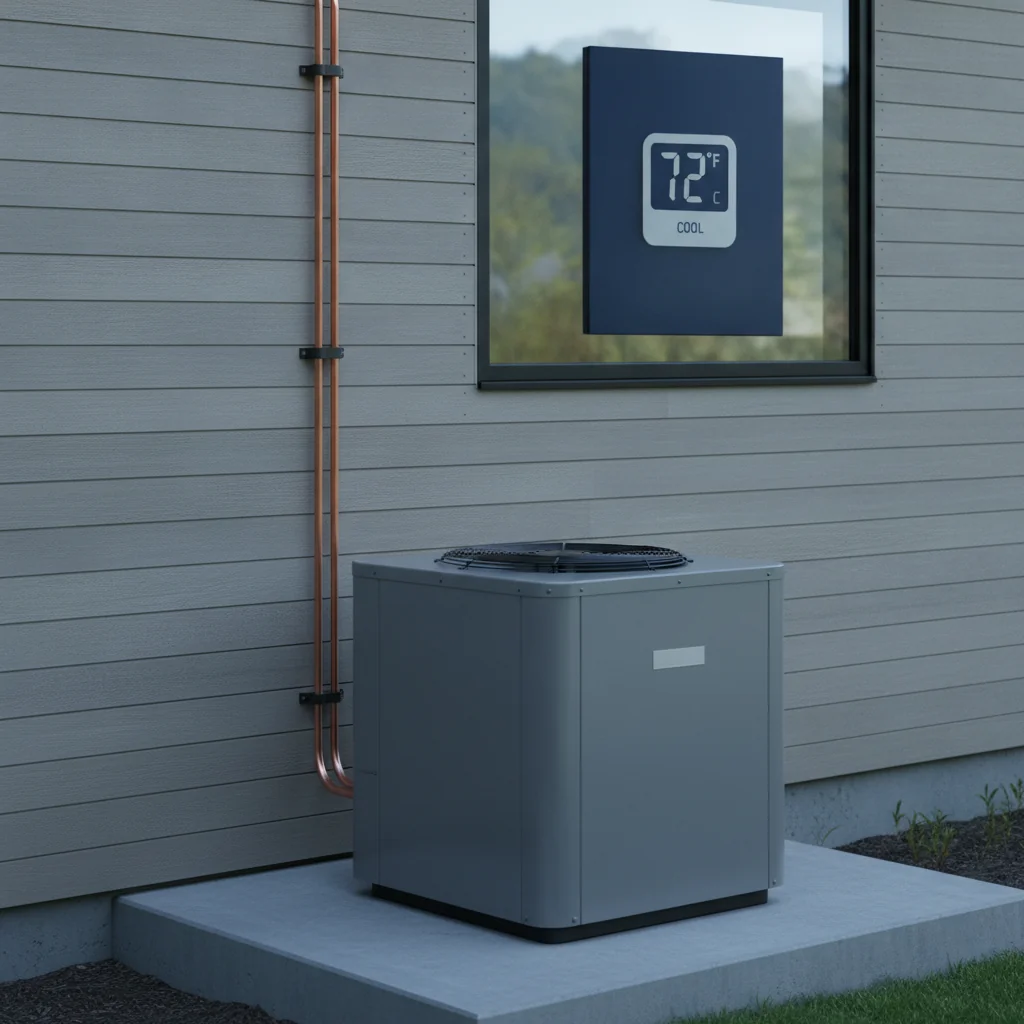
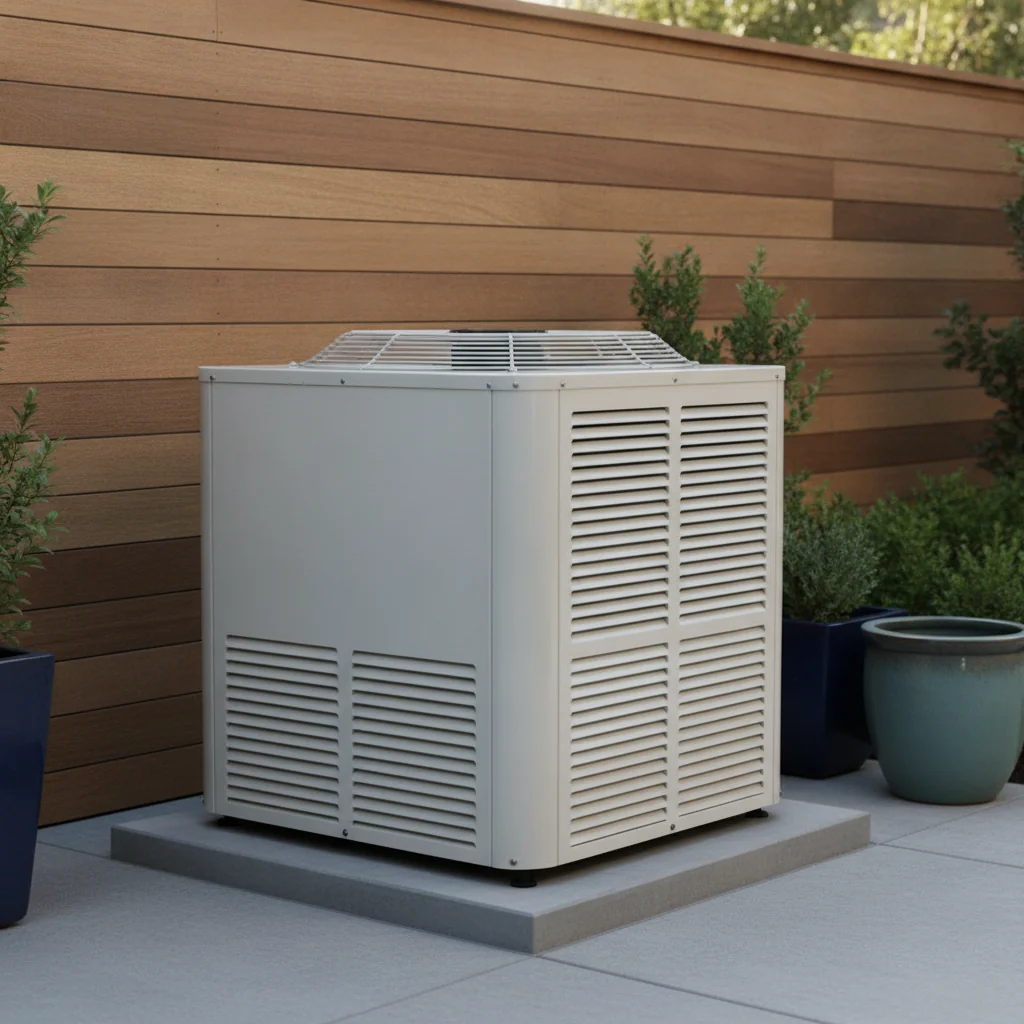
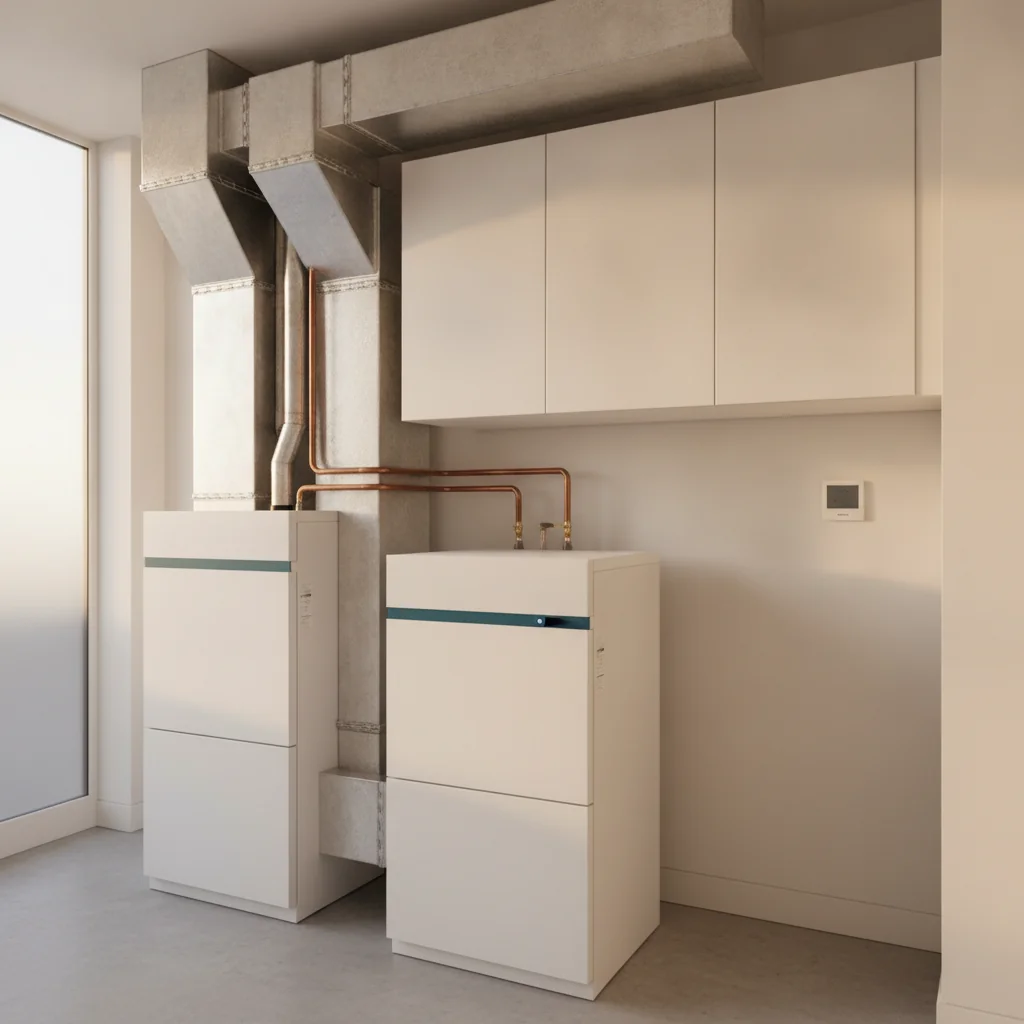
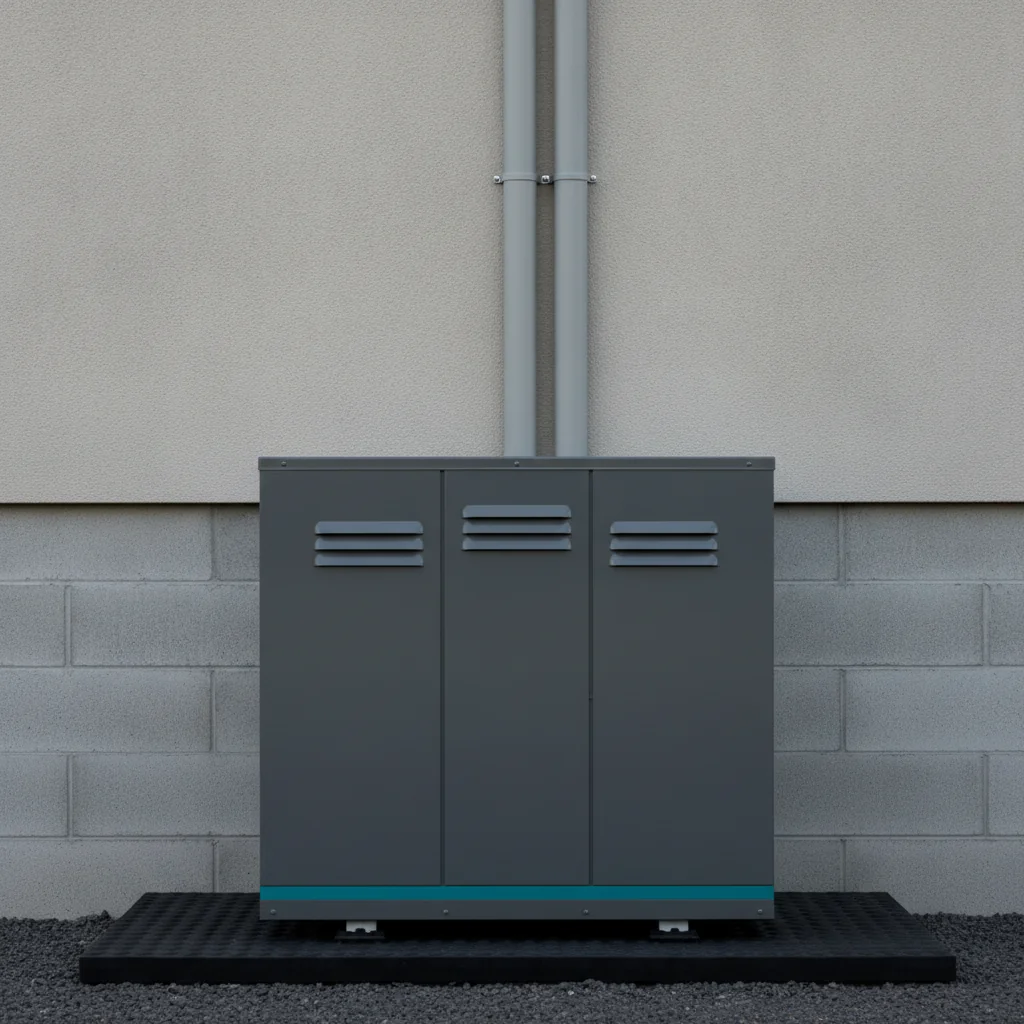
HVAC System Reference

3. Your HVAC Cost Comparison
| System | Unit Size | Equipment | Labor | Disposal | Total | Lifespan | Cost/Year |
|---|---|---|---|---|---|---|---|
| Select a state above to see your cost comparison. | |||||||
Estimates based on national averages adjusted for your state and home size. Actual costs depend on existing ductwork condition, electrical panel capacity, refrigerant type, permit fees, and contractor pricing. This is a planning tool, not a binding quote. Get at least 3 quotes from licensed HVAC contractors.
How This Calculator Works
This calculator estimates the total installed cost of four common HVAC system types based on your home's square footage, system type, and state.
Tons calculation uses the industry standard rule of thumb: 1 ton of cooling capacity per 600 sq ft of conditioned space. A 2,000 sq ft home needs roughly 3.0 tons. The calculator clamps capacity to a realistic 1.5–5.0 ton range. Proper sizing in practice requires a Manual J load calculation from your contractor.
Size multiplier scales costs from the 3-ton baseline. A 2-ton system costs roughly two-thirds as much as a 3-ton system; a 4-ton system costs about one-third more. Equipment and labor both scale with tonnage.
Regional multipliers reflect that HVAC labor and equipment delivery costs vary significantly by location. States are grouped into four tiers: Low cost (rural South/Midwest, 0.85×), Average (most states, 1.0×), High (Northeast/West Coast, 1.15×), and Very High (NYC metro, SF Bay Area, Hawaii, Alaska, 1.30×).
Disposal is a flat fee for removing and disposing of your existing system (compressor, air handler, and/or furnace). This adds $200–$500 adjusted for regional labor costs.
Cost per year divides the total installation cost by the expected system lifespan. Mini-splits have a longer lifespan (20 years) than central systems (15 years), which affects their long-term cost competitiveness. The "BEST VALUE" tag highlights the system with the lowest annual cost.
Lowest Cost System
No email, phone number, or sign-up required. State-level pricing adjustments use Bureau of Labor Statistics regional cost data.
Got your estimate? Don't sign the first bid.
Use your number to catch padded and lowball contractor quotes. Our free checklist shows exactly what to verify on every bid before you hire.
HVAC Cost Guides
In-depth articles on systems, costs, and decisions.
Frequently Asked Questions
Answers to common HVAC replacement cost questions.
How much does it cost to replace an HVAC system?
When should I replace my HVAC system?
Heat pump vs central AC: which is better?
How long does an HVAC system last?
What size HVAC system do I need?
What are the pros and cons of ductless mini-splits?
More Home Improvement Calculators
Planning more than an HVAC replacement? Browse every free estimator on RemodelCostCalc.
Exterior
Asphalt, metal, tile, and slate roof replacement costs.
Aluminum, vinyl, copper gutter costs per linear foot.
Gravel, asphalt, and concrete driveway costs by linear and square foot.
Pressure-treated, cedar, and composite deck costs with railing and stairs.
Wood, vinyl, chain-link, and aluminum fence costs per linear foot.
1-coat, 2-coat, and metallic epoxy floor costs with DIY vs pro pricing.
Landscaping
Concrete slab, driveway, and patio pour costs by cubic yard and finish.
Concrete, paver, flagstone, and brick patio installation costs by sq ft.
Concrete block, natural stone, poured concrete, timber, and gabion wall costs.
Bermuda, Bluegrass, Fescue, Zoysia, and St. Augustine sod costs by sq ft.
Mulch, gravel, and river rock volume and cost by area and depth.
Tree removal costs by size with stump grinding and debris hauling.
Interior
Minor, mid-range, and major kitchen remodel costs with cabinet and counter pricing.
Half, full, and primary bathroom remodel costs by tier and fixtures.
Framing, drywall, egress, and permit costs to finish a basement.
Home Systems
Natural gas, propane, oil, electric, and heat pump operating costs by state.
Vinyl, wood, fiberglass, and composite window replacement costs per window.
Tank, tankless, and hybrid heat pump water heater costs and payback.
System cost, payback period, savings, and federal tax credit by state.
Termite, rodent, and general pest control treatment costs by home size.