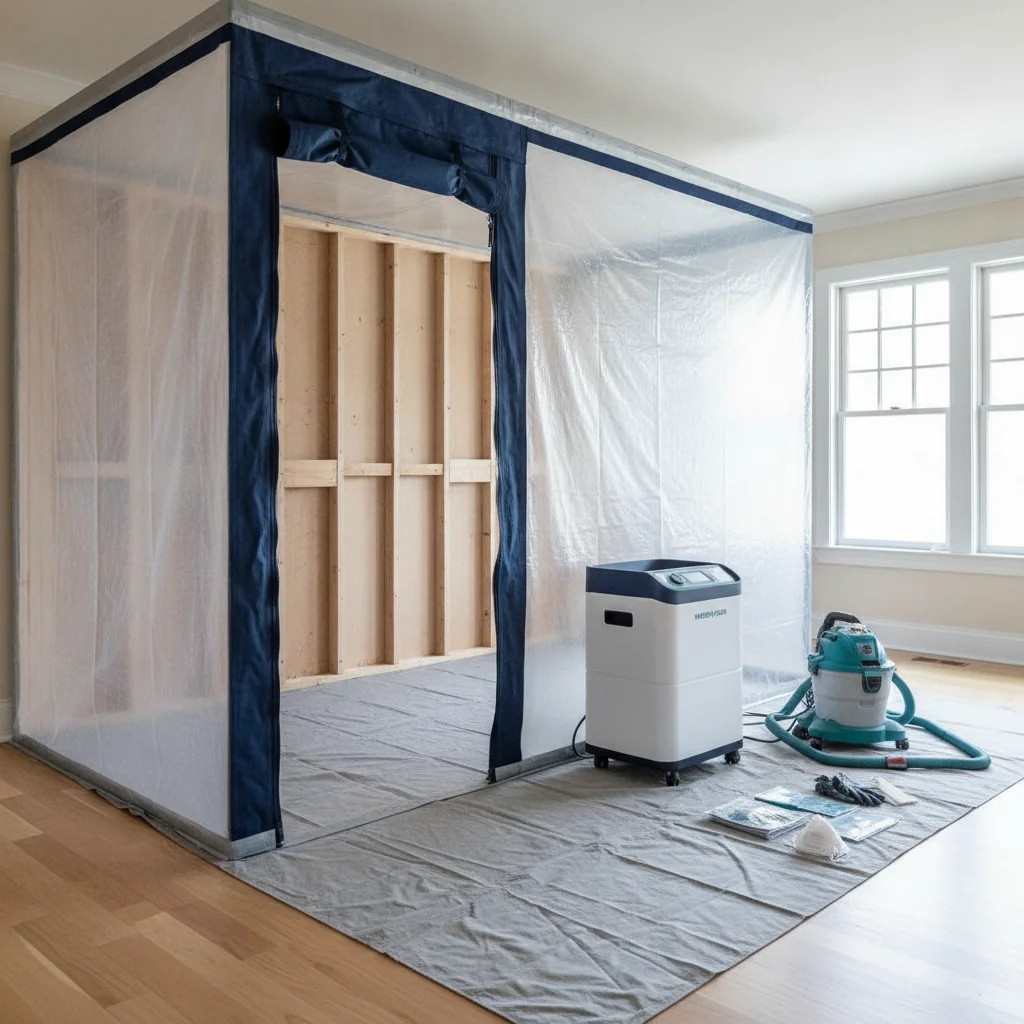
Mold Remediation Cost Calculator
Instant, state-adjusted estimates for mold removal — based on the affected area, where the mold is (basement, attic, crawl space, bathroom), and how severe it is. See an itemized breakdown for inspection, containment, removal, drying, and clearance testing. No email or sign-up required.
1. Your Mold Problem
Affected Area
2. Scope of Work
Select which services are part of your job. Deselect anything that's not needed. Reconstruction, HVAC cleaning, and content cleaning are optional add-ons.
3. Severity Level
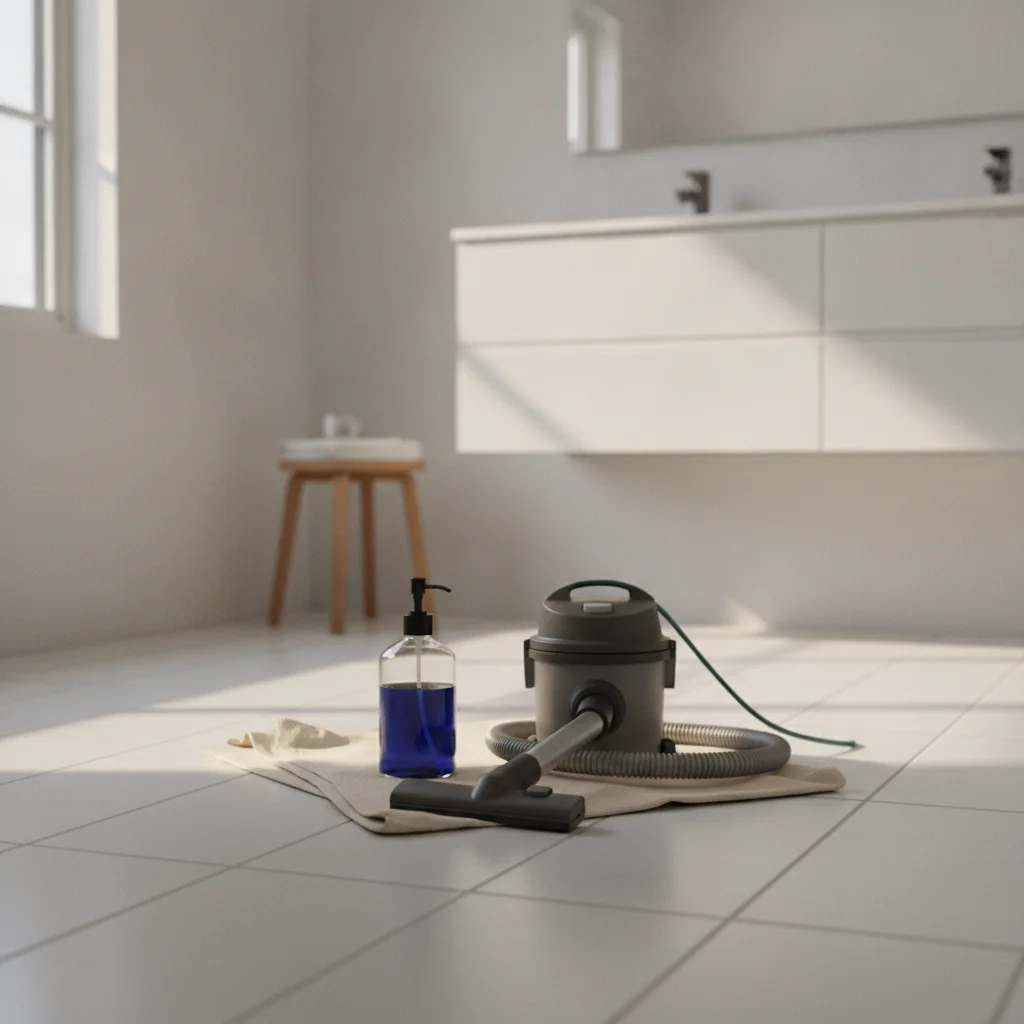
Cosmetic growth on non-porous surfaces. No structural damage; materials stay in place.
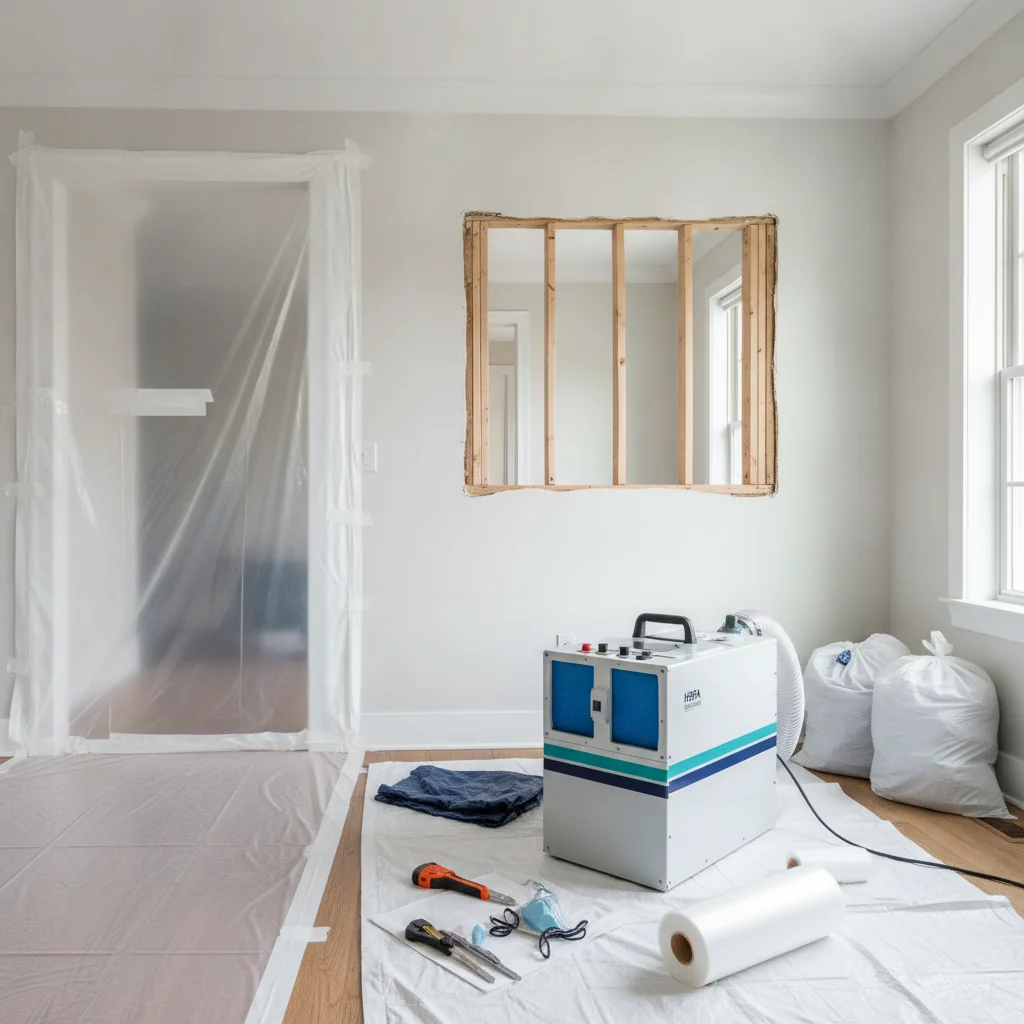
Growth into drywall, insulation, or trim. Needs containment and material removal.
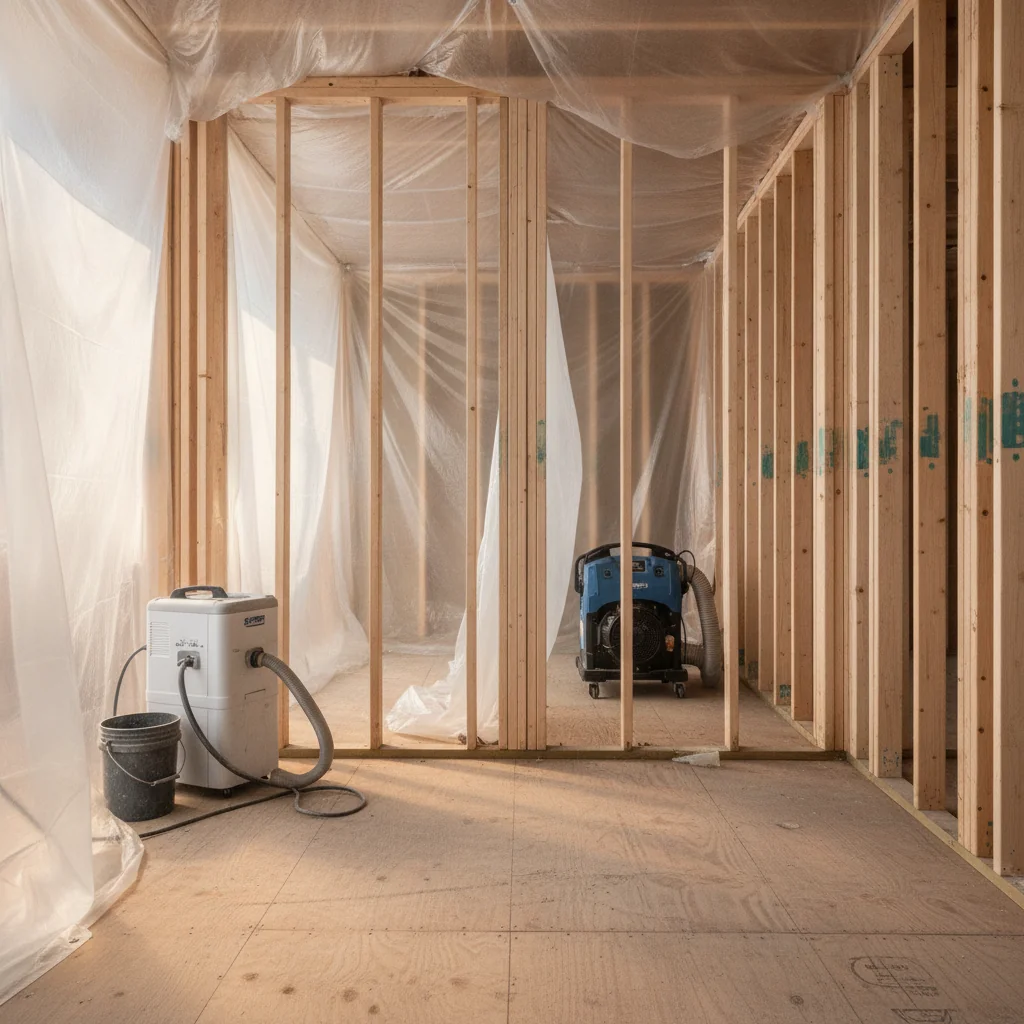
Extensive or black mold in framing, subfloor, or HVAC. Demolition + heavy drying.
Cost Overrides (total for item)
Prices are national averages adjusted by state-level labor cost multipliers and location access difficulty. For exact quotes, get estimates from licensed mold remediation contractors. Use Advanced Settings to enter your actual quotes.
4. Your Mold Remediation Cost Estimate
Itemized Cost Breakdown
Estimated cost per service, including state labor and location access adjustments.
shield Will insurance cover this?
Most homeowners policies that cover mold cap the payout at $1,000–$10,000. Document the water source with photos, mitigate quickly, and file promptly. See the coverage guide below for details.
Estimates based on national averages adjusted for your state and location access. Actual costs depend on how far the mold has spread, moisture conditions, material types, and contractor pricing. This is a planning tool, not a binding quote. Get at least 2–3 quotes from licensed remediation firms, and always fix the underlying moisture source.
How This Calculator Works
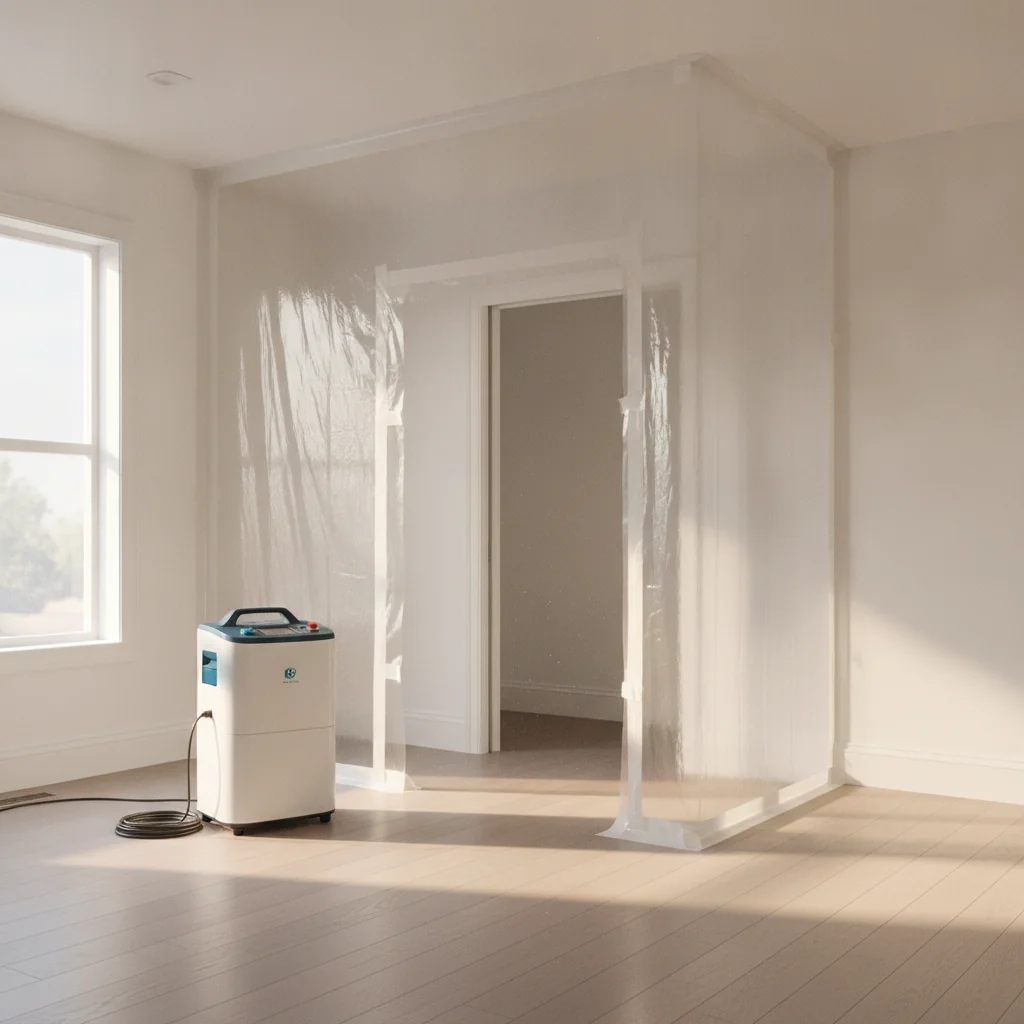
This calculator estimates the total cost of mold remediation by combining up to ten individual services: inspection & testing, containment & setup, HEPA air filtration, mold removal & demolition, antimicrobial treatment, structural drying, clearance testing, and optional HVAC cleaning, content cleaning, and reconstruction.
Severity level sets the intensity and price tier. Surface mold is cosmetic growth on non-porous materials that can be cleaned in place. Established mold has grown into drywall, insulation, or trim and requires containment and material removal. Toxic / Structural covers extensive infestations — including black mold — in framing, subfloor, or HVAC systems, requiring demolition and heavy drying.
Affected area drives the area-dependent costs like removal, antimicrobial treatment, and reconstruction. Fixed costs like inspection, clearance testing, and equipment setup are relatively constant, which is why small jobs have a much higher cost per square foot.
Location adjusts for access difficulty. Bathrooms and living areas are the baseline; basements add a small premium, attics more, and crawl spaces the most because technicians work in tight, hard-to-reach spaces. Whole-house and HVAC jobs carry their own premiums.
Regional multipliers adjust for local labor and disposal costs. States are grouped into four tiers: Low cost (rural South/Midwest, 0.85×), Average (most states, 1.0×), High (Northeast/West Coast, 1.15×), and Very High (NYC metro, Hawaii, Alaska, 1.30×).
Mold Remediation Cost by Location
Where the mold is affects both access difficulty and how much material has to be removed. The ranges below assume an established (mid-severity) job at core scope for a typical affected area in that space, at average regional pricing. Use the calculator above for your exact area, severity, and state.
| Location | Typical Cost Range | Why |
|---|---|---|
| Bathroom | $1,500–$4,000 | Small area, easy access; often tied to grout, caulk, or exhaust-fan humidity. |
| Basement | $2,000–$7,000 | Larger surfaces, foundation moisture; finished basements cost more (drywall + framing). |
| Attic | $2,000–$6,500 | Roof-leak or ventilation-driven; sheathing and rafters, awkward access and heat. |
| Crawl space | $2,500–$8,000 | Hardest access; often needs encapsulation and a vapor barrier to prevent recurrence. |
| HVAC / Ductwork | $3,000–$10,000 | Spores spread system-wide; requires coil, blower, and duct cleaning or replacement. |
| Whole house | $10,000–$30,000+ | Multi-room structural remediation plus reconstruction; often follows major flooding. |
Mold Remediation Cost by Region
On top of location, prevailing labor and disposal rates shift the total. The same job costs roughly 30% more in a very-high-cost metro than in a low-cost rural market. The calculator applies these four tiers automatically when you pick your state:
- Low cost (0.85×): AL, AR, GA, ID, IN, IA, KS, KY, LA, MS, MO, MT, NE, NM, ND, OK, SC, SD, TN, WV, WY
- Average (1.0×): AZ, CO, DE, FL, IL, ME, MI, MN, NV, NC, OH, OR, PA, TX, UT, VT, VA, WI
- High cost (1.15×): CA, CT, MD, MA, NH, NJ, RI, WA
- Very high (1.30×): AK, HI, NY, DC
Does Homeowners Insurance Cover Mold Remediation?
The single biggest factor in whether your policy pays is what caused the water. Standard homeowners insurance covers mold when it stems from a "sudden and accidental" covered peril — a burst pipe, a failed washing-machine hose, or a water heater that lets go. In those cases the mold is treated as follow-on damage from the covered event.
Insurance generally will not pay when mold grows from a gradual, preventable source: a slow leak you didn't fix, chronic high humidity, condensation, or deferred maintenance. Flooding from outside — storm surge, overflowing rivers, heavy rain intrusion — is excluded from homeowners policies entirely and is only covered if you carry separate flood insurance.
Even when mold is covered, many policies apply a mold sublimit, commonly $1,000 to $10,000, regardless of the true remediation cost. Some insurers offer higher mold riders for an added premium. To protect a potential claim: photograph the water source immediately, stop the leak and start drying within 24–48 hours (delay can be grounds for denial), keep receipts, and file promptly.
When Can You DIY vs. Hire a Pro?
The EPA's rule of thumb: you can usually clean mold covering less than about 10 square feet yourself on hard, non-porous surfaces, using an N95 respirator, gloves, eye protection, and good ventilation. Call a licensed professional when the area is larger than ~10 sq ft, when mold is in the HVAC system, when it keeps returning, when contaminated or sewage water was involved, or when anyone in the household has asthma, allergies, or a weakened immune system. Porous materials like moldy drywall, carpet, and ceiling tile almost always need removal rather than cleaning.
Got your estimate? Don't sign the first bid.
Use your number to catch padded and lowball remediation quotes. Our free checklist shows exactly what to verify on every bid before you hire.
Mold & Moisture Guides
In-depth articles on mold costs, insurance, and prevention.
Frequently Asked Questions
How much does mold remediation cost? expand_more
How much does black mold removal cost? expand_more
How much does a mold inspection cost? expand_more
Does homeowners insurance cover mold remediation? expand_more
How much does it cost to remove mold from a basement? expand_more
Can I remove mold myself or do I need a professional? expand_more
More Home Improvement Calculators
Planning more than mold cleanup? Browse every free estimator on RemodelCostCalc.
Interior
Basic, mid-range, and premium basement finishing costs by state and size.
Half, full, and primary bathroom remodel costs by tier and fixtures.
Minor, mid-range, and major kitchen remodel costs with cabinet pricing.
Home Systems
Tank, tankless, and hybrid heat pump water heater costs and payback.
Natural gas, propane, oil, electric, and heat pump operating costs by state.
Vinyl, wood, fiberglass, and composite window replacement costs per window.